


Life Priority story
Magnesium Reduces All-Cause Mortality, Including Stroke, Heart Failure, And Diabetes
A Life Priority perspective on health, habits, and the choices that shape how well we keep showing up.
Themes in this story
1
Simplify defaults
2
Add color
3
Support the goal
Read the story, then use these themes to decide what deserves attention in your own routine.
The Durk Pearson & Sandy Shaw®
Life Extension NewsTM
Volume 20 No. 2 €¢ March 2017
MAGNESIUM REDUCES ALL-CAUSE MORTALITY, INCLUDING STROKE, HEART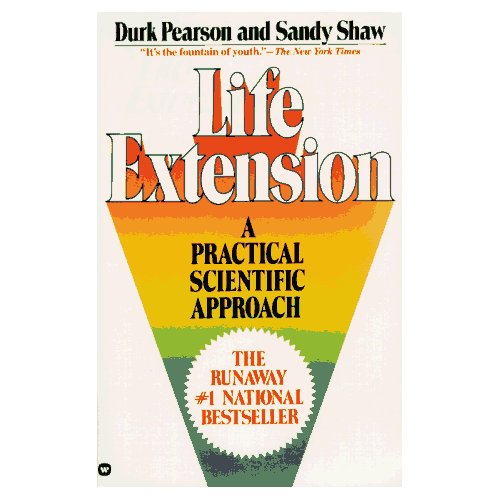 FAILURE, AND DIABETES
A very recent paper (Fang, 2016) examined the association between dietary magnesium and health. In this dose-response meta-analysis from 40 prospective cohort studies that included over one million (1,000,000) participants, the researchers found that, for each 100 mg/day increase in magnesium intake, the risk of stroke decreased by 7% (RR (relative risk):0.93; 95% CI (confidence interval):0.89-0.97, and was associated with a 10% lower risk of mortality. The highest category of magnesium intake, as compared to the lowest category, was found in the participants to reduce the risk of type 2 diabetes (RR: 0.74 (95% CI: 0.69-0.80).
Themes to carry forward
Notice
Start with the pattern you can actually see
Energy, sleep, digestion, mood, movement, and recovery all leave clues. Paying attention to the pattern makes the next step more useful.
Simplify
A smaller routine is easier to keep
Choose one or two habits that fit your real week. Food quality, hydration, movement, sleep, and stress recovery usually matter before complexity.
Support
Match supplements to a specific priority
A focused supplement routine works best when it supports a clear goal and sits alongside the basics you already repeat.
“A dose-response analysis revealed that a 100 mg/day increase in dietary magnesium intake is significantly associated with a 7%, 22%, 19%, and 10% decrease in the risk of stroke, heart failure, type 2 diabetes, and all-cause mortality.” However, there was no clear association between magnesium and the risk of cardiovascular disease. In the U.S. and in Europe, the daily intake of magnesium does not generally meet the recommended amount. Epidemiological studies indicate that low levels of serum magnesium are associated with diseases such as chronic obstructive pulmonary disease (COPD), type 2 diabetes, and Alzheimer’s disease, among others (Fang, 2016).
We highly recommend taking supplemental magnesium. We take 400-600 mg per day of magnesium from our Magnesium Priority.™
Reference
Practical takeaways
Ways to apply it
Add
- Color
- Protein
- Fiber
- Healthy fats
Reduce
- Stale foods
- Sugary defaults
- Impulse snacks
- Friction
Support
- Clear goal
- Meal rhythm
- Hydration
- Consistency
Fang et al. Dietary magnesium intake and the risk of cardiovascular disease, type 2 diabetes, and all-cause mortality: a dose-response meta-analysis of prospective cohort studies. BMC Med. 14:210 (2016)
Life Priority, established in 1994, offers supplements that are scientifically-formulated, results-oriented, and GRAS (Generally Recognized As Safe) and are manufactured at USDA and FDA inspected facilities.
*Any testimonials on this web site are based on individual results and do not constitute a guarantee that you will achieve the same results.
Related support
Support for the routine behind the story
Heart and brain support
Omega-3 Priority can be a daily anchor for cardiovascular and cognitive wellness routines.
View Omega-3Sunshine support
Vitamin D-3 Priority supports routines focused on bones, immunity, muscles, and healthy aging.
View Vitamin DRecovery rhythm
Magnesium Priority fits routines focused on muscles, stress recovery, and evening consistency.
View MagnesiumFind the right fit
Browse Life Priority formulas by goal when you want support matched to your current routine.
Shop formulasNext step
Find the support that fits your next priority
The supplement quiz can help turn a broad wellness goal into a more focused routine.