


Nutrition article
Drop the Pop and Lose the Weight!
Nutrition changes are easier to keep when your kitchen, meals, and supplement routine point toward the same goal.
The nutrition reset
1
Simplify defaults
2
Add color
3
Support the goal
Use this as a practical reset, not a perfection project. The win is a better next step you can repeat.
Overview
Use this article as a practical way to think through your next wellness step. The goal is not a complicated routine; it is a clearer one you can return to consistently.
The concept of losing weight is at the forefront of many people’s minds, but sometimes the process is more difficult than first believed. Fatty foods need to be cut out, if not 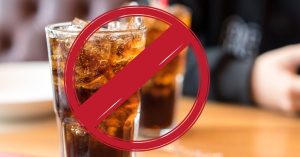 reduced, and an increase in exercise is essential, but other factors may increase weight loss success that most don’t consider. What we drink also plays a huge role in losing weight, and drinks like soda pop and sweetened tea are first on the chopping block.
Beverages like soda pop and sweetened tea are loaded with sugars and calories which are not beneficial for those trying to lose weight. In fact, sugar can kill muscle gain and increase the bad fats in our bodies. A recent study asked people to drink 450 calories worth of pop and eat 450 calories of jelly beans in successive weeks. The week of jelly bean consumption showed participants compensated for the intake of this candy by not eating as many calories in their other meals. On the flip side, when they had to drink the pop, they did not compensate which means they consumed vastly more calories. Another study found that drinking beverages high in calories, means we are more likely to take in more calories through our meals than if we drank a beverage with fewer sugars and calories.
The worst part is that people consume these types of sugar-loaded drinks on a daily basis without considering the extra calories they are adding to their diets. Another important consideration is the consumption of 2 servings per day of artificially sweetened soda is associated with a 2-fold increased odds for kidney function decline in women.
Useful reset points
Notice
Start with the pattern you can actually see
Energy, sleep, digestion, mood, movement, and recovery all leave clues. Paying attention to the pattern makes the next step more useful.
Simplify
A smaller routine is easier to keep
Choose one or two habits that fit your real week. Food quality, hydration, movement, sleep, and stress recovery usually matter before complexity.
Support
Match supplements to a specific priority
A focused supplement routine works best when it supports a clear goal and sits alongside the basics you already repeat.
In conclusion, the most important thing to remember from this study is that more and more people will continue to gain weight until they reduce or eliminate their intake of soda and other similar beverages. So if you’re wanting to lose weight or keep the pounds off, a good place to start is being more critical of what’s in your cup.
Information sourced from: https://www.nutritionaction.com/daily/sugar-in-food/the-hidden-danger-of-calories-in-drinks/?mqsc=E3849304&mqsc=E3849304&utm_source=WhatCountsEmail&utm_medium=Nutrition_Action_Daily_TipsNutrition%20Action%20Daily&utm_campaign=2016.09.12%20Sugar%20in%20Food
Practical takeaways
Ways to apply it
Add
- Color
- Protein
- Fiber
- Healthy fats
Reduce
- Stale foods
- Sugary defaults
- Impulse snacks
- Friction
Support
- Clear goal
- Meal rhythm
- Hydration
- Consistency
Helpful support options
Match support to the real goal
Heart and brain support
Omega-3 Priority can be a daily anchor for cardiovascular and cognitive wellness routines.
View Omega-3Sunshine support
Vitamin D-3 Priority supports routines focused on bones, immunity, muscles, and healthy aging.
View Vitamin DRecovery rhythm
Magnesium Priority fits routines focused on muscles, stress recovery, and evening consistency.
View MagnesiumFind the right fit
Browse Life Priority formulas by goal when you want support matched to your current routine.
Shop formulasCommon questions
Where should I start?
Start with one clear priority, then choose the food, movement, sleep, hydration, or supplement step that best supports it.
Do supplements replace the basics?
No. Supplements are best used as support for a broader routine that includes food, movement, recovery, and professional guidance when needed.
Next step
Build a routine around your actual priority
The supplement quiz can help turn a broad wellness goal into a more focused routine.