

Nutrition article
Can Omega-3s Help Prevent Cardiovascular Disease in Women?
Nutrition changes are easier to keep when your kitchen, meals, and supplement routine point toward the same goal.
The nutrition reset
1
Simplify defaults
2
Add color
3
Support the goal
Use this as a practical reset, not a perfection project. The win is a better next step you can repeat.
Overview
Use this article as a practical way to think through your next wellness step. The goal is not a complicated routine; it is a clearer one you can return to consistently.
Countless health hazards and risks threaten us daily. With more and more pollutants in the air, and in our food and water, staying healthy and maintaining a healthy lifestyle is becoming more challenging. In addition to eating properly, people should also know about the main contributors to our health concerns. One disease which doesn’t receive a lot of attention is heart disease, the leading killer of both men and women in the U.S. And it’s especially harmful and deadly for women. Women need to know about the dangers of heart disease and what they can do to possibly prevent it.
Cardiovascular Disease is the #1 Killer of Women
- Heart disease is the leading cause of death of American women, killing more than one third of them who contract cardiovascular disease.
- 35.3% of deaths in American women over the age of 20, or more than 432,000, are caused by cardiovascular disease each year.
- More than 200,000 women die each year from heart attacks - 5x more women as breast cancer.
- More than 159,000 women die each year of congestive heart failure, accounting for 56.3% of all heart failure deaths.
How Women Can Avoid Heart Disease with Omega-3s

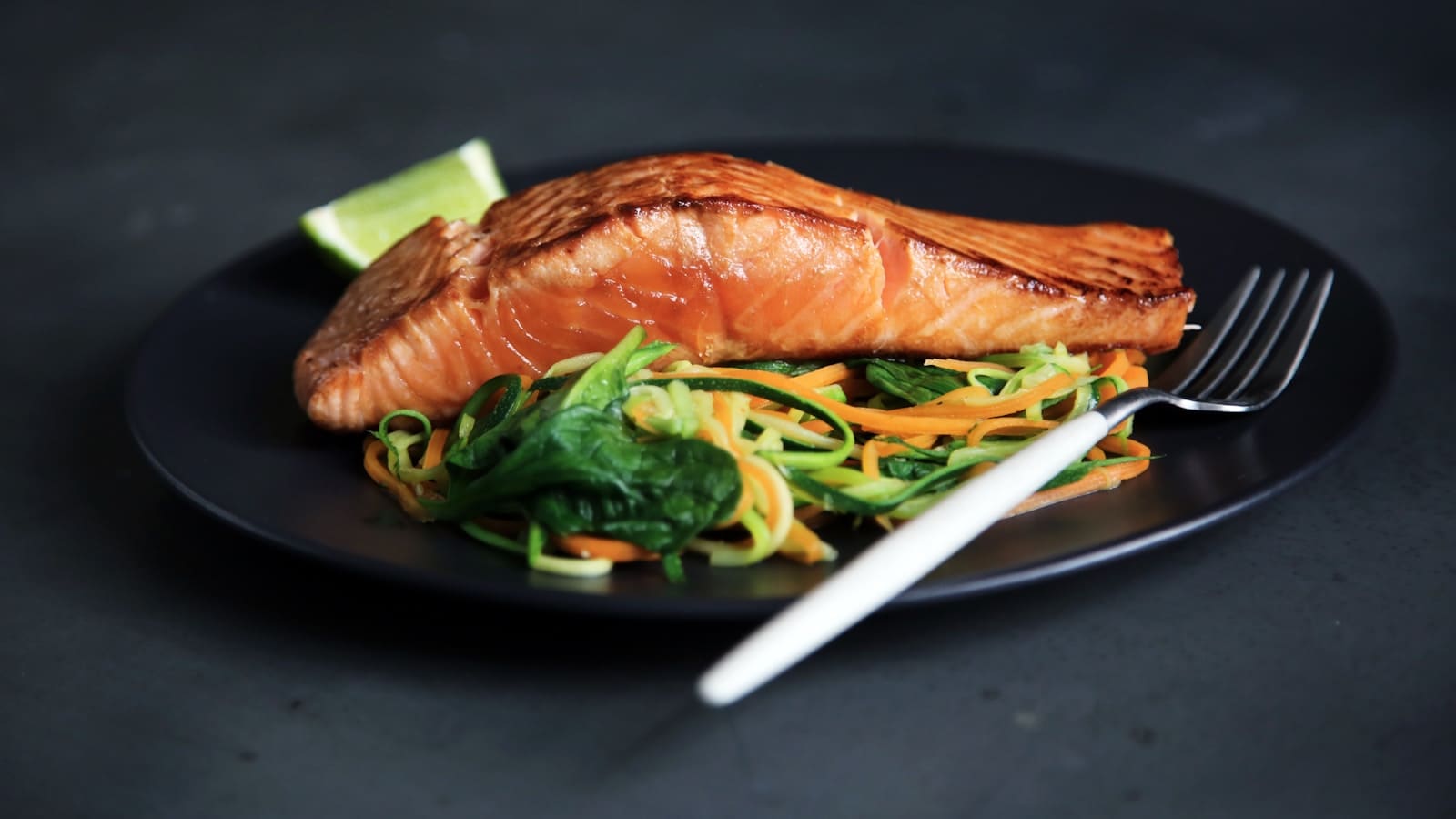
Research shows strong evidence that the omega-3 fatty acids, EPA and DHA, can boost heart health and lower triglycerides. Omega-3s are found in fatty layers of cold-water fish and shellfish, plant and nut oils, English walnuts, flax seed, algae oils, and fortified foods. In the opinion of Life Priority Inc., the modern diet is deficient in adequate amounts of Omega-3s so we feel that using a fish oil supplement is the most effective and logical way to get adequate amounts of Omega-3 in your diet. There are the two main types of Omega-3s:
- Long-chain omega-3 fatty acids are EPA (eicosapentaenoic acid) and DHA (docosahexaenoic acid). These are plentiful in fish and shellfish. Algae often provides only DHA.
- Short-chain omega-3 fatty acids are ALA (alpha-linolenic acid). These are found in plants, such as flaxseed. Though beneficial, ALA omega-3 fatty acids have less potent health benefits than EPA and DHA. You'd have to eat a lot to gain the same benefits as you do from fish.
Omega-3s are considered essential fatty acids. We need them for our bodies to work normally. Since essential fatty acids are not made in the body or are inefficiently converted from ALA to EPA and DHA, we need to get them from our diet.
Useful reset points
Notice
Start with the pattern you can actually see
Energy, sleep, digestion, mood, movement, and recovery all leave clues. Paying attention to the pattern makes the next step more useful.
Simplify
A smaller routine is easier to keep
Choose one or two habits that fit your real week. Food quality, hydration, movement, sleep, and stress recovery usually matter before complexity.
Support
Match supplements to a specific priority
A focused supplement routine works best when it supports a clear goal and sits alongside the basics you already repeat.
EPA and DHA help maintain the healthy function of the brain and retina. DHA is a building block of tissue in the brain and retina of the eye. It helps with forming neural transmitters, such as phosphatidylserine, which is important for brain function. Omega-3s are also thought to play an important role in reducing inflammation throughout the body - in the blood vessels, the joints, and elsewhere. Experts say that DHA and EPA have better established health benefits than ALA.
In our opinion, supplementing with Omega-3s is a no-brainer, especially for women. From menstrual cramps to menopausal symptoms and breast cancer, Omega-3s can help women of all ages in many ways. Omega-3s can help with hot flashes, osteoporosis, mood, memory, cardiovascular disease, blood pressure, lowering LDL cholesterol while helping to increase HDL levels and more.
Other Ways to Prevent Cardiovascular Disease
Supplementing your Omega-3s can have a significant positive impact on your health, but it should also be combined with other efforts to protect yourself from this cardiovascular killer. Below are several other positive changes you can make in your life to reduce your risk for heart disease:- Quit smoking.
- Maintain a healthy BMI and waist circumference.
- Exercise daily.
- Pass on the processed foods.
- Lower your sugar intake.
- Have one glass of red wine per day.
- Cut back on red meat, up your fish intake.
Life Priority offers OMEGA-3 PRIORITY, a concentrated (60% vs. the normal 30%), pharmaceutical-grade Omega-3 supplement.
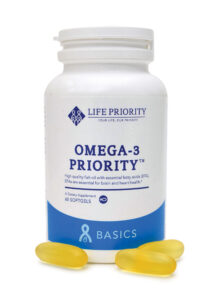
We formed a company to help people get access to these research-based, high-quality dietary supplements. Remember, keep an open mind to new ideas, but always do your own homework, and combine that with common sense to figure out what's best for you.
Life Priority, established in 1994, offers supplements that are scientifically-formulated, results-oriented, and GRAS (Generally Recognized As Safe) and are manufactured at USDA and FDA inspected facilities. *The products and statements made about specific products on this web site have not been evaluated by the United States Food and Drug Administration (FDA) and are not intended to diagnose, treat, cure or prevent disease. All information provided on this web site or any information contained on or in any product label or packaging is for informational purposes only and is not intended as a substitute for advice from your physician or other health care professional. You should not use the information on this web site for diagnosis or treatment of any health problem. Always consult with a healthcare professional before starting any new vitamins, supplements, diet, or exercise program, before taking any medication, or if you have or suspect you might have a health problem. *Any testimonials on this web site are based on individual results and do not constitute a guarantee that you will achieve the same results.Practical takeaways
Ways to apply it
Add
- Color
- Protein
- Fiber
- Healthy fats
Reduce
- Stale foods
- Sugary defaults
- Impulse snacks
- Friction
Support
- Clear goal
- Meal rhythm
- Hydration
- Consistency
Helpful support options
Match support to the real goal
Heart and brain support
Omega-3 Priority can be a daily anchor for cardiovascular and cognitive wellness routines.
View Omega-3Sunshine support
Vitamin D-3 Priority supports routines focused on bones, immunity, muscles, and healthy aging.
View Vitamin DRecovery rhythm
Magnesium Priority fits routines focused on muscles, stress recovery, and evening consistency.
View MagnesiumFind the right fit
Browse Life Priority formulas by goal when you want support matched to your current routine.
Shop formulasCommon questions
Where should I start?
Start with one clear priority, then choose the food, movement, sleep, hydration, or supplement step that best supports it.
Do supplements replace the basics?
No. Supplements are best used as support for a broader routine that includes food, movement, recovery, and professional guidance when needed.
Next step
Build a routine around your actual priority
The supplement quiz can help turn a broad wellness goal into a more focused routine.