

Nutrition article
How Your Body Functions (or Doesn't) When Circulation is Poor
Nutrition changes are easier to keep when your kitchen, meals, and supplement routine point toward the same goal.
The nutrition reset
1
Simplify defaults
2
Add color
3
Support the goal
Use this as a practical reset, not a perfection project. The win is a better next step you can repeat.
Overview
Use this article as a practical way to think through your next wellness step. The goal is not a complicated routine; it is a clearer one you can return to consistently.
As we are in the thick of winter it is easy to relate being cold to poor circulation, but when you really dissect the problem of poor blood circulation it actually leads to a multitude of issues. It is important to understand the symptoms of restricted blood flow so you can address the matter early on before it becomes a more life threatening complication.
As mentioned, poor circulation can result in feeling cold especially in the extremities, even when you’re not in a cold environment. Other mild, but irritating symptoms include, numbness and tingling of limbs, muscle cramps, and dry skin.
As circulation worsens, the musculoskeletal system becomes more affected. Muscle aches and pains become more heightened and depending on the severity of the restriction, muscles can even begin to atrophy to the point where they become dysfunctional. Poor circulation in the legs specifically, can result in peripheral artery disease (PAD).
Like any other muscle, the heart can be greatly affected by poor circulation. Just like the aches and pains experienced in the muscles, the heart can ache and chest tightness can ensue. Many times, poor circulation is due to blockages in arteries that can also result in more serious conditions like heart attacks, heart disease and stroke.
Useful reset points
Notice
Start with the pattern you can actually see
Energy, sleep, digestion, mood, movement, and recovery all leave clues. Paying attention to the pattern makes the next step more useful.
Simplify
A smaller routine is easier to keep
Choose one or two habits that fit your real week. Food quality, hydration, movement, sleep, and stress recovery usually matter before complexity.
Support
Match supplements to a specific priority
A focused supplement routine works best when it supports a clear goal and sits alongside the basics you already repeat.
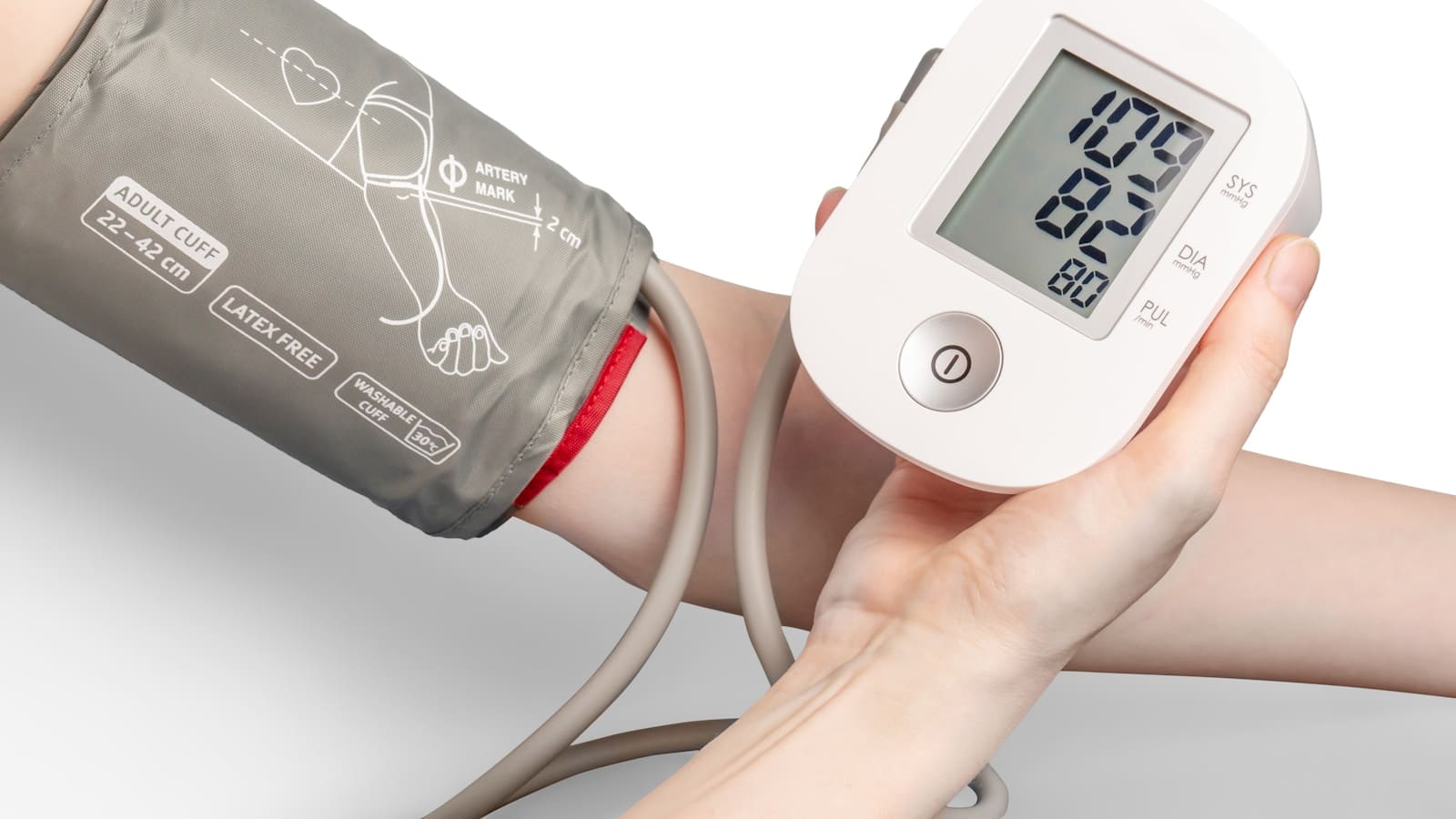
Hypertension is a circulatory disease that results in poor circulation. Blood pressure readings are based off of how hard your heart is pumping and the diameter and stiffness of your arteries. Imagine you have a large glass of water and you are only given a cocktail straw to drink it. The effort exerted to get the liquid through the cocktail straw is going to be a lot stronger than if you had been offered a regular drinking straw. When arteries are stiff and small in diameter the heart has to work harder to get enough blood pumped through these small, non-pliable tunnels. When circulation is limited in this manner, all of the mentioned symptoms can occur.
Poor circulation is tricky because it literally can affect all of the body’s functions. It makes physical movement more difficult, it makes skin drier, and it can make you lose your sense of touch sensation. Many of these symptoms can also result from many different conditions so it is important to consult your doctor to help rule out anything that could potentially be life threatening. Treatment of poor circulation could result in medication, dietary supplementation, lifestyle changes, and/or medical procedures.
Pay attention to what your body is telling you and take the necessary steps to combat your poor circulation problems today. Be sure to talk to your doctor ASAP if you're concerned about potential heart issues.
Sources:
https://www.health.harvard.edu/heart-health/peripheral-artery-disease
https://www.health.harvard.edu/blog/peripheral-artery-disease-often-silent-sometimes-deadly-potentially-preventable-201210245448
https://www.health.harvard.edu/pain/when-chest-pain-strikes-what-to-expect-at-the-emergency-room
https://www.health.harvard.edu/heart-health/angina-and-its-silent-cousin
https://www.health.harvard.edu/family-health-guide/heart-blood-vessels-and-circulation
https://www.health.harvard.edu/newsletter_article/blood-pressure-and-your-brain
https://www.healthline.com/health/poor-circulation-symptoms-causes#Symptoms2
These statements have not been evaluated by the Food and Drug Administration.
These products are not intended to diagnose, treat, cure, or prevent any disease.
Practical takeaways
Ways to apply it
Add
- Color
- Protein
- Fiber
- Healthy fats
Reduce
- Stale foods
- Sugary defaults
- Impulse snacks
- Friction
Support
- Clear goal
- Meal rhythm
- Hydration
- Consistency
Helpful support options
Match support to the real goal
Heart and brain support
Omega-3 Priority can be a daily anchor for cardiovascular and cognitive wellness routines.
View Omega-3Sunshine support
Vitamin D-3 Priority supports routines focused on bones, immunity, muscles, and healthy aging.
View Vitamin DRecovery rhythm
Magnesium Priority fits routines focused on muscles, stress recovery, and evening consistency.
View MagnesiumFind the right fit
Browse Life Priority formulas by goal when you want support matched to your current routine.
Shop formulasCommon questions
Where should I start?
Start with one clear priority, then choose the food, movement, sleep, hydration, or supplement step that best supports it.
Do supplements replace the basics?
No. Supplements are best used as support for a broader routine that includes food, movement, recovery, and professional guidance when needed.
Next step
Build a routine around your actual priority
The supplement quiz can help turn a broad wellness goal into a more focused routine.