

Nutrition article
Brush Up On Healthy Habits!
Nutrition changes are easier to keep when your kitchen, meals, and supplement routine point toward the same goal.
The nutrition reset
1
Simplify defaults
2
Add color
3
Support the goal
Use this as a practical reset, not a perfection project. The win is a better next step you can repeat.
Overview
Use this article as a practical way to think through your next wellness step. The goal is not a complicated routine; it is a clearer one you can return to consistently.
Did you know that your oral health can offer clues about your overall health — or that problems in your mouth can affect the rest of your body? Understand the intimate connection between oral health and overall health and what you can do to protect yourself.
What's the connection between oral health and overall health?[1]
Like many areas of the body, your mouth is teeming with bacteria — most of them harmless. Normally the body's natural defenses and good oral health care, such as daily brushing and flossing, can keep these bacteria under control. However, without proper oral hygiene, bacteria can reach levels that might lead to oral infections, such as tooth decay and gum disease.
In addition, certain medications — such as decongestants, antihistamines, painkillers and diuretics — can reduce saliva flow. Saliva washes away food and neutralizes acids produced by bacteria in the mouth, helping to protect you from microbial invasion or overgrowth that might lead to disease.
Studies also suggest that oral bacteria and the inflammation associated with periodontitis — a severe form of gum disease — might play a role in some diseases. In addition, certain diseases, such as diabetes and HIV/AIDS, can lower the body's resistance to infection, making oral health problems more severe.
What conditions may be linked to oral health?
Your oral health might affect, be affected by, or contribute to various diseases and conditions, including:
Endocarditis. Endocarditis is an infection of the inner lining of your heart (endocardium). Endocarditis typically occurs when bacteria or other germs from another part of your body, such as your mouth, spread through your bloodstream and attach to damaged areas in your heart.
Cardiovascular disease. Some research suggests that heart disease, clogged arteries and stroke might be linked to the inflammation and infections that oral bacteria can cause.
Pregnancy and birth. Periodontitis has been linked to premature birth and low birth weight.
Diabetes. Diabetes reduces the body's resistance to infection — putting the gums at risk. Gum disease appears to be more frequent and severe among people who have diabetes. Research shows that people who have gum disease have a harder time controlling their blood sugar levels.
HIV/AIDS. Oral problems, such as painful mucosal lesions, are common in people who have HIV/AIDS.
Useful reset points
Notice
Start with the pattern you can actually see
Energy, sleep, digestion, mood, movement, and recovery all leave clues. Paying attention to the pattern makes the next step more useful.
Simplify
A smaller routine is easier to keep
Choose one or two habits that fit your real week. Food quality, hydration, movement, sleep, and stress recovery usually matter before complexity.
Support
Match supplements to a specific priority
A focused supplement routine works best when it supports a clear goal and sits alongside the basics you already repeat.
Osteoporosis. Osteoporosis — which causes bones to become weak and brittle — might be linked with periodontal bone loss and tooth loss.
Alzheimer's disease. Tooth loss before age 35 might be a risk factor for Alzheimer's disease.
Other conditions. Other conditions that might be linked to oral health include Sjogren's syndrome — an immune system disorder that causes dry mouth — and eating disorders.
Life Priority's Suggestions to Improve Oral Health
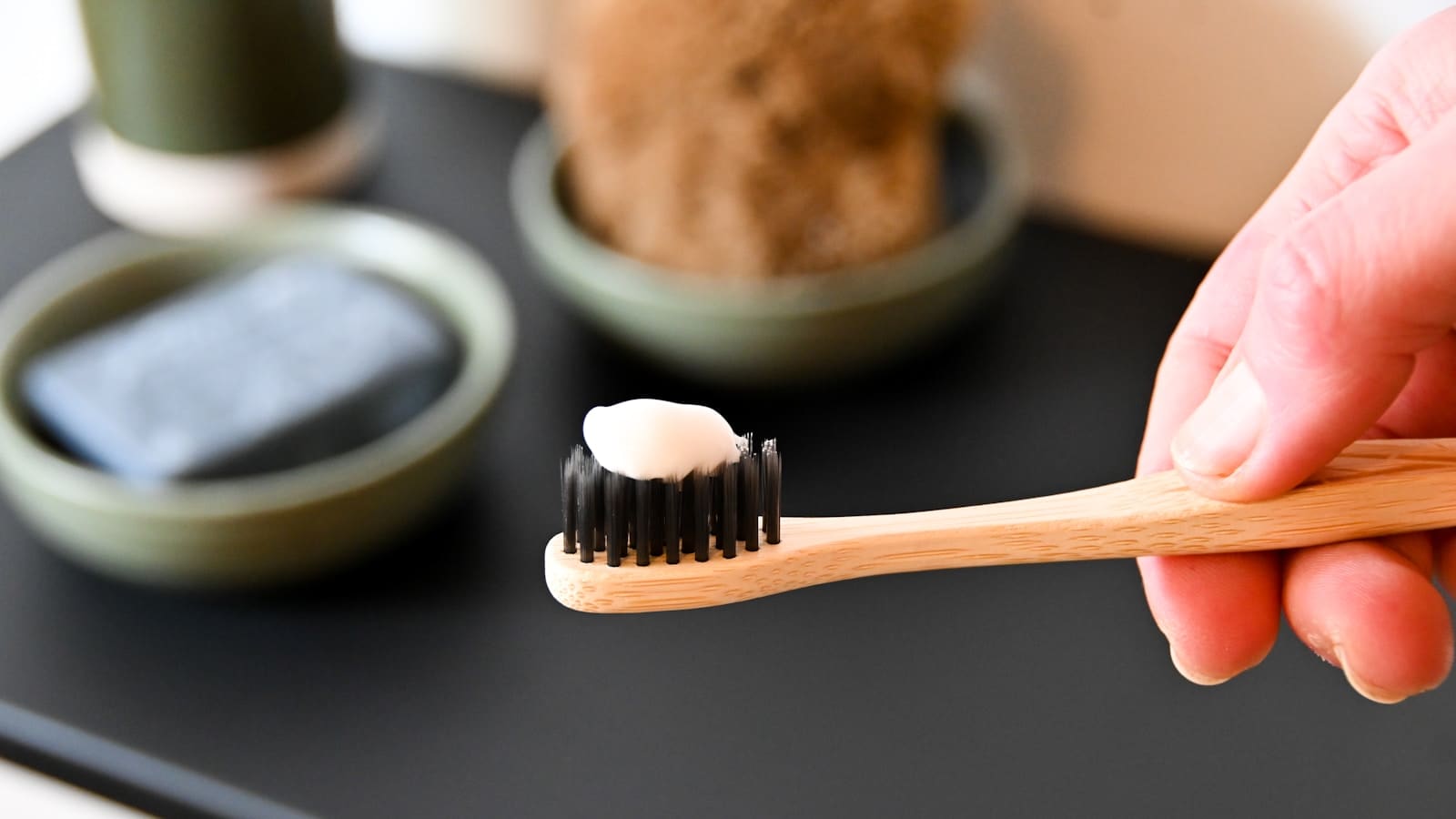
- Brush your teeth at least twice a day (after breakfast and before bed).
- We suggest a NON-Fluoride toothpaste (Tom's Fluoride-Free Toothpaste)
- Floss daily. I prefer to use a floss with wax, coupled with The Doctor's BrushPicks.
- Eat a healthy diet and limit between-meal snacks. Eat lots of fruits and vegetables and fresh juicing.
- Take your supplements to insure a healthy foundation, specifically 3 Way Calcium™ for stronger and healthier teeth.
3 Way Calcium™ helps to maintain healthy teeth. When calcium levels are low, the jawbone surrenders the mineral to other areas of the body in need. As the jaw weakens, teeth loosen, creating gaps susceptible to bacteria that can cause infection, inflammation and bleeding.
- Replace your toothbrush every three to four months or sooner if bristles are frayed. Buy a quality American-made product.
- Schedule regular dental checkups at least every 6 months. Contact your dentist as soon as an oral health problem arises. Please notify your dentist if you're taking any medications.
Taking care of your oral health is an investment in your overall health.
Information sourced from https://www.mayoclinic.com/health/dental/DE00001
Education is the Key to Good Health!
Please consider using Life Priority high quality supplements as a nutritional compliment to your diet!
www.lifepriority.com 800.787.5438
[1] www.mayoclinic.org/dental/ART-20047475?p=1
Life Priority, established in 1994, offers supplements that are scientifically-formulated, results-oriented, and GRAS (Generally Recognized As Safe) and are manufactured at USDA and FDA inspected facilities.
*The products and statements made about specific products on this web site have not been evaluated by the United States Food and Drug Administration (FDA) and are not intended to diagnose, treat, cure or prevent disease. All information provided on this web site or any information contained on or in any product label or packaging is for informational purposes only and is not intended as a substitute for advice from your physician or other health care professional. You should not use the information on this web site for diagnosis or treatment of any health problem. Always consult with a healthcare professional before starting any new vitamins, supplements, diet, or exercise program, before taking any medication, or if you have or suspect you might have a health problem.
*Any testimonials on this web site are based on individual results and do not constitute a guarantee that you will achieve the same results.
Practical takeaways
Ways to apply it
Add
- Color
- Protein
- Fiber
- Healthy fats
Reduce
- Stale foods
- Sugary defaults
- Impulse snacks
- Friction
Support
- Clear goal
- Meal rhythm
- Hydration
- Consistency
Helpful support options
Match support to the real goal
Heart and brain support
Omega-3 Priority can be a daily anchor for cardiovascular and cognitive wellness routines.
View Omega-3Sunshine support
Vitamin D-3 Priority supports routines focused on bones, immunity, muscles, and healthy aging.
View Vitamin DRecovery rhythm
Magnesium Priority fits routines focused on muscles, stress recovery, and evening consistency.
View MagnesiumFind the right fit
Browse Life Priority formulas by goal when you want support matched to your current routine.
Shop formulasCommon questions
Where should I start?
Start with one clear priority, then choose the food, movement, sleep, hydration, or supplement step that best supports it.
Do supplements replace the basics?
No. Supplements are best used as support for a broader routine that includes food, movement, recovery, and professional guidance when needed.
Next step
Build a routine around your actual priority
The supplement quiz can help turn a broad wellness goal into a more focused routine.