

Nutrition article
What Are Antioxidants? 6 Quick Facts About Antioxidant Vitamins
Nutrition changes are easier to keep when your kitchen, meals, and supplement routine point toward the same goal.
The nutrition reset
1
Simplify defaults
2
Add color
3
Support the goal
Use this as a practical reset, not a perfection project. The win is a better next step you can repeat.
Overview
Use this article as a practical way to think through your next wellness step. The goal is not a complicated routine; it is a clearer one you can return to consistently.
1) What are antioxidants?
When discussing antioxidants, we mean vitamins C, E, and the provitamin Beta Carotene.2) Where are antioxidants found?
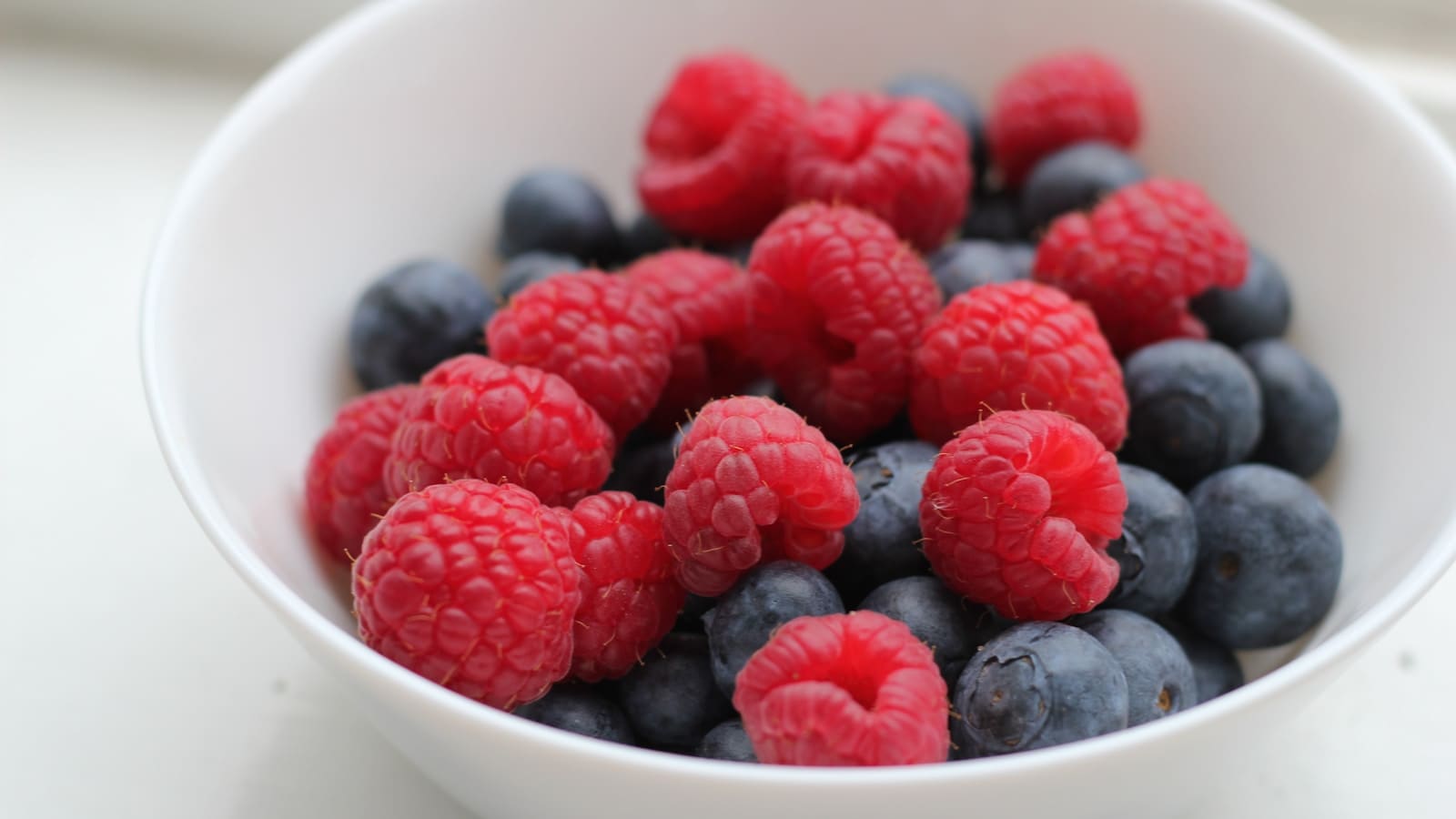
These nutrients can be found in a wide variety of vitamin supplements and fortified foods. More specifically, Vitamin C is found in grapefruits, strawberries, blueberries, oranges, kale, potatoes and broccoli. Vitamin E is found in leafy greens and nuts. Finally, Beta Carotene is found in collard greens and spinach, as well as other dark green leafy vegetables, and in yellow-orange fruits and vegetables like sweet potatoes, carrots, cantaloupes and peaches.3) What do antioxidants do?
Antioxidant vitamins play an important part in keeping our body safe and healthy. Free radicals, highly-reactive and unstable molecules that may cause cellular damage, threaten our body daily. They are produced naturally within our bodies and can also be produced by air pollution and tobacco smoke. After recent studies and research, it’s now believed that the cellular damage caused by free radicals, in addition to other factors, may lead to the formation of many chronic diseases including heart disease and cancer. Antioxidants are very important because they have the ability to neutralize free radicals and keep our body healthy.4) What do doctors and other health professionals recommend?
Useful reset points
Notice
Start with the pattern you can actually see
Energy, sleep, digestion, mood, movement, and recovery all leave clues. Paying attention to the pattern makes the next step more useful.
Simplify
A smaller routine is easier to keep
Choose one or two habits that fit your real week. Food quality, hydration, movement, sleep, and stress recovery usually matter before complexity.
Support
Match supplements to a specific priority
A focused supplement routine works best when it supports a clear goal and sits alongside the basics you already repeat.
5) How about vitamin supplements?
Antioxidant vitamins can be found in numerous supplements and food products such as breakfast cereals and juice drinks. Many physicians believe taking supplements or eating fortified foods with vitamins and minerals is important for those who don’t have a particularly good diet or who have special needs. People are also strongly advised to read the nutritional labels.6) Are there any risks to ingesting antioxidants?
Vitamins C, E and Beta Carotene are officially classified as Generally Recognized as Safe (GRAS). In addition, the vast amount of scientific evidence obtained and gathered over many years supports the safety of antioxidants, even at high levels, but one should always follow label directions.Need to get more antioxidants into your diet? A supplement might be an option. For example, One-Per-Meal LifeGuard™ is a multi-vitamin and mineral antioxidant supplement formulated for free radical protection and general nutrition needs.
Life Priority, established in 1994, offers supplements that are scientifically-formulated, results-oriented, and GRAS (Generally Recognized As Safe) and are manufactured at USDA and FDA inspected facilities.
*The products and statements made about specific products on this web site have not been evaluated by the United States Food and Drug Administration (FDA) and are not intended to diagnose, treat, cure or prevent disease. All information provided on this web site or any information contained on or in any product label or packaging is for informational purposes only and is not intended as a substitute for advice from your physician or other health care professional. You should not use the information on this web site for diagnosis or treatment of any health problem. Always consult with a healthcare professional before starting any new vitamins, supplements, diet, or exercise program, before taking any medication, or if you have or suspect you might have a health problem.
*Any testimonials on this web site are based on individual results and do not constitute a guarantee that you will achieve the same results.
Practical takeaways
Ways to apply it
Add
- Color
- Protein
- Fiber
- Healthy fats
Reduce
- Stale foods
- Sugary defaults
- Impulse snacks
- Friction
Support
- Clear goal
- Meal rhythm
- Hydration
- Consistency
Helpful support options
Match support to the real goal
Heart and brain support
Omega-3 Priority can be a daily anchor for cardiovascular and cognitive wellness routines.
View Omega-3Sunshine support
Vitamin D-3 Priority supports routines focused on bones, immunity, muscles, and healthy aging.
View Vitamin DRecovery rhythm
Magnesium Priority fits routines focused on muscles, stress recovery, and evening consistency.
View MagnesiumFind the right fit
Browse Life Priority formulas by goal when you want support matched to your current routine.
Shop formulasCommon questions
Where should I start?
Start with one clear priority, then choose the food, movement, sleep, hydration, or supplement step that best supports it.
Do supplements replace the basics?
No. Supplements are best used as support for a broader routine that includes food, movement, recovery, and professional guidance when needed.
Next step
Build a routine around your actual priority
The supplement quiz can help turn a broad wellness goal into a more focused routine.